
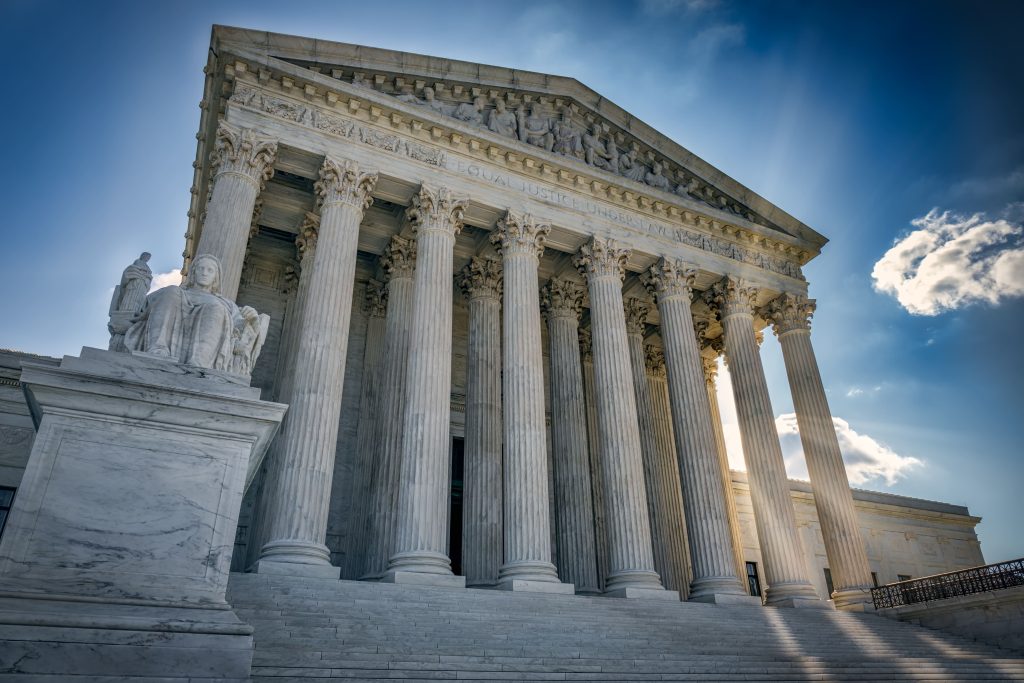
FEATURE : 2026 Supreme Court Decisions Released!
(DESTACADO: DECISIONES DE 2026 DE LA CORTE SUPREMA PUBLICADAS)
EN:
Supreme Court Upholds Birthright Citizenship
In a major immigration decision, the Supreme Court rejected President Trump’s attempt to limit birthright citizenship through executive order. The Court reaffirmed that the 14th Amendment protects citizenship for children born in the United States, including children of undocumented immigrants, with only very narrow exceptions. This decision preserves a long-standing constitutional protection and prevents the government from creating a new class of U.S.-born children denied citizenship.
Returning Green Card Holders and Criminal Allegations
The Supreme Court also issued a decision affecting lawful permanent residents who travel internationally while facing criminal allegations. The Court held that border officials may treat a returning permanent resident as seeking admission, and parole them into the United States rather than admit them as a returning resident, when there are pending criminal proceedings that may later make the person inadmissible. This decision is especially important for green card holders with any unresolved criminal case, even if there has not yet been a conviction.
TPS Terminations for Haiti and Syria
The Supreme Court upheld the Trump administration’s termination of Temporary Protected Status for Haiti and Syria. The Court found that the administration has broad authority over TPS decisions and limited the ability of courts to review those terminations. This decision has serious consequences for Haitian and Syrian TPS holders and may also affect future challenges involving TPS designations for other countries.
Asylum Access at the Border
In another significant immigration ruling, the Supreme Court upheld the government’s authority to turn away asylum seekers before they physically enter the United States. The Court ruled that there is no right to apply for asylum unless the person has already arrived in the United States. This decision narrows access to asylum at the border and may prevent many people fleeing persecution from presenting their claims in the way that has historically been available.
ES:
La Corte Suprema ratifica la ciudadanía por derecho de nacimiento
En una importante decisión de inmigración, la Corte Suprema rechazó el intento del presidente Trump de limitar la ciudadanía por nacimiento a través de una orden ejecutiva. La Corte reafirmó que la 14ª Enmienda protege la ciudadanía de los niños nacidos en los Estados Unidos, incluidos los hijos de inmigrantes indocumentados, con excepciones muy limitadas. Esta decisión preserva una protección constitucional de larga data y evita que el gobierno cree una nueva clase de niños nacidos en EE.UU. a los que se les niega la ciudadanía.
Titulares de Green Card que regresan y acusaciones penales
La Corte Suprema también emitió una decisión que afecta a los residentes permanentes que viajan al extranjero mientras enfrentan acusaciones penales. La Corte determinó que los funcionarios fronterizos pueden tratar a un residente permanente que regresa como alguien que busca admisión, y otorgarle libertad condicional (parole) en lugar de admitirlo como residente retornante, cuando haya procesos penales pendientes que puedan hacer a la persona inadmisible más adelante. Esta decisión es especialmente importante para los titulares de green card con cualquier caso penal no resuelto, incluso si aún no ha habido una condena.
Terminación del TPS para Haití y Siria
La Corte Suprema respaldó la terminación del Estatus de Protección Temporal (TPS) para Haití y Siria por parte de la administración Trump. La Corte determinó que la administración tiene amplia autoridad sobre las decisiones de TPS y limitó la capacidad de las cortes para revisar dichas terminaciones. Esta decisión tiene graves consecuencias para los titulares de TPS haitianos y sirios, y también podría afectar futuros desafíos relacionados con las designaciones de TPS para otros países.
Acceso al asilo en la frontera
En otro fallo migratorio significativo, la Corte Suprema confirmó la autoridad del gobierno para rechazar a los solicitantes de asilo antes de que ingresen físicamente a los Estados Unidos. La Corte dictaminó que no existe el derecho a solicitar asilo a menos que la persona ya haya llegado a los Estados Unidos. Esta decisión reduce el acceso al asilo en la frontera y puede impedir que muchas personas que huyen de la persecución presenten sus reclamos de la manera que ha estado disponible históricamente.
Venezuela Earthquake and Disaster Displacement
(Terremoto de Venezuela y desplazamiento por desastre)

EN: Venezuela is facing a devastating humanitarian crisis after powerful earthquakes caused widespread damage, injuries, and displacement. This disaster highlights a growing issue in immigration: people are increasingly forced to flee when their homes become unsafe due to environmental disasters, climate events, and collapsing infrastructure. These moments remind us that migration is often about survival. Please keep our Venezuelan friends and families in your thoughts, and consider supporting aid efforts through Direct Relief’s Venezuela Earthquake Response.
ES: Venezuela enfrenta una devastadora crisis humanitaria tras potentes terremotos que causaron daños generalizados, lesiones y desplazamiento. Este desastre resalta un problema creciente en la inmigración: cada vez más personas se ven obligadas a huir cuando sus hogares se vuelven inseguros debido a desastres ambientales, eventos climáticos y el colapso de la infraestructura. Estos momentos nos recuerdan que la migración a menudo se trata de supervivencia. Por favor, tenga en mente a las familias y amigos venezolanos, y considere apoyar los esfuerzos de ayuda a través de la Respuesta al Terremoto en Venezuela de Direct Relief.
Expedited Removal Expanded Nationwide
(Remoción Expedita expandida a nivel nacional)

EN: A federal appeals court has allowed the government to move forward with expanded expedited removal, a fast-track deportation process that can remove certain undocumented people without a hearing before an immigration judge. This process may now apply anywhere in the United States to people who cannot prove they have been continuously present in the country for at least two years before being found inadmissible. Anyone who may be at risk should keep copies of documents showing at least two years of physical presence in the United States, such as leases, paystubs, utility bills, medical records, school records, or tax documents. Keep one copy with you and give another copy to your attorney or someone you trust.
ES: Una corte federal de apelaciones ha permitido al gobierno avanzar con la expansión de la remoción expedita, un proceso de deportación rápido que puede remover a ciertas personas indocumentadas sin una audiencia ante un juez de inmigración. Este proceso ahora puede aplicarse en cualquier parte de los Estados Unidos a las personas que no puedan probar que han estado presentes continuamente en el país durante al menos dos años antes de ser declaradas inadmisibles. Cualquier persona que pueda estar en riesgo debe guardar copias de documentos que muestren al menos dos años de presencia física en los Estados Unidos, como contratos de arrendamiento, recibos de pago, facturas de servicios públicos, registros médicos, escolares o documentos de impuestos. Conserve una copia con usted y entregue otra copia a su abogado o a alguien de su confianza.
More News to Know…
(Otras noticias que deberías saber…)
EN:
- A new rule was proposed to increase the fee to apply for Naturalization, raising it from $710 to $1,280.
- Starting July 1, Mississippi will enforce new state immigration laws aimed at identifying undocumented residents, criminalizing undocumented presence, and invalidating certain out-of-state driver’s licenses.
- A lawsuit has been filed challenging the lengthy delays in DACA renewals.
ES:
- Se propuso una nueva regla para aumentar la tarifa para solicitar la Naturalización, elevándola de $710 a $1,280.
- A partir del 1 de julio, Mississippi aplicará nuevas leyes estatales de inmigración destinadas a identificar a los residentes indocumentados, criminalizar la presencia indocumentada e invalidar ciertas licencias de conducir de otros estados.
- Se ha presentado una demanda impugnando las largas demoras en las renovaciones de DACA.



JULY 2026 NEWSLETTER
FEATURE : 2026 Supreme Court Decisions Released! (DESTACADO:…
Published on 01 Jul, 2026

JUNE 2026 NEWSLETTER
USCIS Memo Impacts Adjustment of Status Applicants in…
Published on 01 Jun, 2026


